
.jpeg)
Adolescent mothers and their offspring are a high-risk group broth physically and emotionally. Poverty, malnutrition, complications of pregnancy, emotional problems such as depression, drug and alcohol use, are all risks for the mother. Children are also at greater risk for physical, cognitive and emotional problems. It is therefore important to identify factors which influence outcome on adolescent mothers and their children in order to suggest interventions which will more positively affect the physical and psychological health of this increasing population.
PIP: Adolescent mothers and their offspring are a high-risk group both physically and emotionally. Poverty, malnutrition, complications of pregnancy, and emotional problems such as depression, drug, and alcohol use, are all risks for the mother. Children are also at greater risk of physical, cognitive, and emotional problems. Therefore, it is important to identify factors which influence the outcome of adolescent mothers and their children in order to suggest interventions which will more positively affect the physical and psychological health of this increasing population. Hechtman draws the following conclusions: 1) There is no single cause for the rising rate of adolescent pregnancy, but rather a combination of factors. These can generally be grouped under biological factors, societal factors, personal attitude/needs, ignorance/misunderstanding concerning sexual matters, and problems inherent in modern contraceptive methods. 2) The consequences of pregnancy on the adolescent are multiple and can be divided into health, economic, and emotional outcomes. 3) The effects on the child who results from the adolescent pregnancy can be subdivided under physical health, cognitive, behavioral and emotional effects. 4) Early sex education programs which combine education with family planning or counselling, and readily available inexpensive contraception and abortion would do much to decrease the prevalence of adolescent pregnancy.
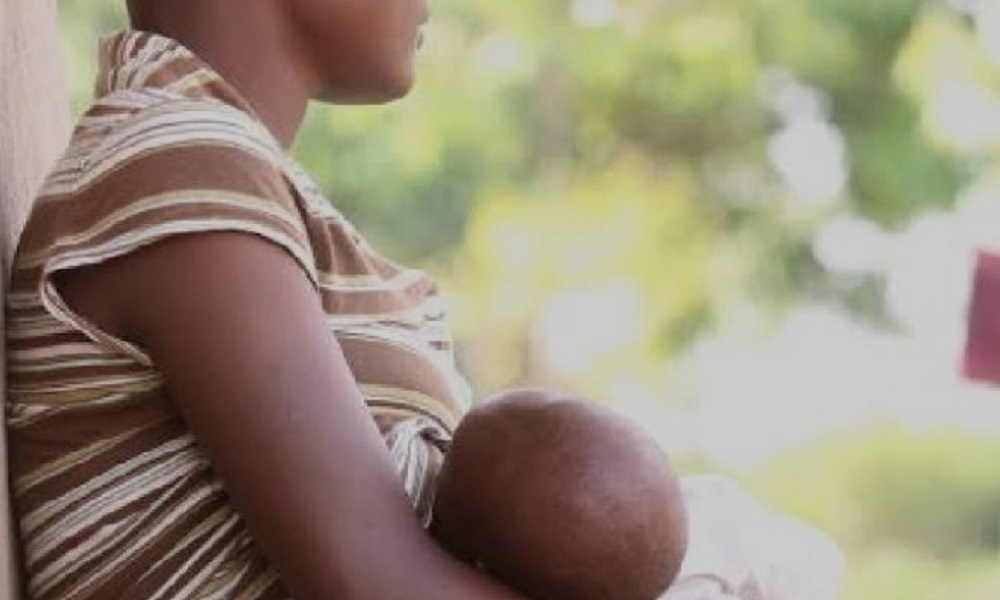
I was only 14 when I got pregnant. I never knew I was pregnant, and people kept telling my mom that your daughter is pregnant but she ignored and brushed them off. At 7 months of gestation, that was when my mom decided to take me to a health facility because I fell ill and that was when our fears about a pregnancy were confirmed. I had been sexually abused but never told anyone because the perpetrator had threatened me and I had no slightest information on pregnancy. Furthermore, my mom and the villagers would not have believed me and they would just condemned me by saying, huyu mtoto amekuwa na tabia mbaya ya kutembea na wanaume (This kid has become ill mannered by walking around with boys, literal meaning of sleeping around). Jess (not her real name) said this as she wept bitterly with her voice trembling. I held my tears back as I passed the tissue to her. "Mimi hata sikuwahi enda clinic hii time yote juu hakuna mtu alijua niko na ball na hata mimi sikujua na pia ile time nilijua, mamangu alinitenga akisema nimemuaibisha" (I never visited the clinic this whole time because no one knew I was pregnant and I also did not know and by the time I got to know, my mother discriminated me and said I'd ashamed her).
Not many girls outside here who get pregnant at an early age "play with boys, others are raped the way I was but they have no one to turn to", she continued. "I had my clinic visits twice before I gave birth and to be totally honest, it was a hell of an experience. The nurses used to ask me, where is your partner? You are a spoiled child who knew how to sleep around with men at a tender age now see your life. Where is your identity card? - Et cetera…" I felt like dying and the thought of me being a child who's now supposed to have another child killed me more. My mother faced double discrimination for not being a good mother and I was the bad example to girls in my village. I could not even continue with my schooling. "Fast forward, I moved to Nairobi where I was hosted at a shelter for young girls who survived sexual violence and were either pregnant or already have a child/children. Despite the bitterness and pain, I had hope. I fought on for my baby who will be turning one this August when the country will be going for elections and I am so blessed to have gotten a family, support and the chance to go back to school.
In a country where 1 out of every 5 adolescent girl is either pregnant or already has a child, Jess represents the thousands of adolescent and teenage girls in Kenya who bear the brunt of teenage pregnancies, the stigma and discrimination that comes with it. Jess's cry is that; child survivors of sexual violence should get redress and help because she would not want any young girl to go through what she went through. Secondly, the society should not crucify and discriminate against teenage mothers because as much as some mess up, they deserve a second chance and that early pregnancies are not the end of life. To the government, there is need for sex education because in Jess’s own words, "If my mother and I had knowledge, we'd have been able to seek for help after the sexual violence incident. Many young girls do not know how to prevent pregnancies leave alone reporting abuse more so because of the stigma that comes with it. Furthermore, schools should have accessible facilities set aside for young mothers to conveniently go back to learning including equipped day care facilities for the young babies, lactation areas and lastly, we need friendly health facilities where our privacy and dignity is respected because the embarrassment I went through in the hands of the female nurse, uh uh and it's the reason why most adolescent and teenage girls shy away from seeking comprehensive reproductive health service.